The Stories We Tell to Survive
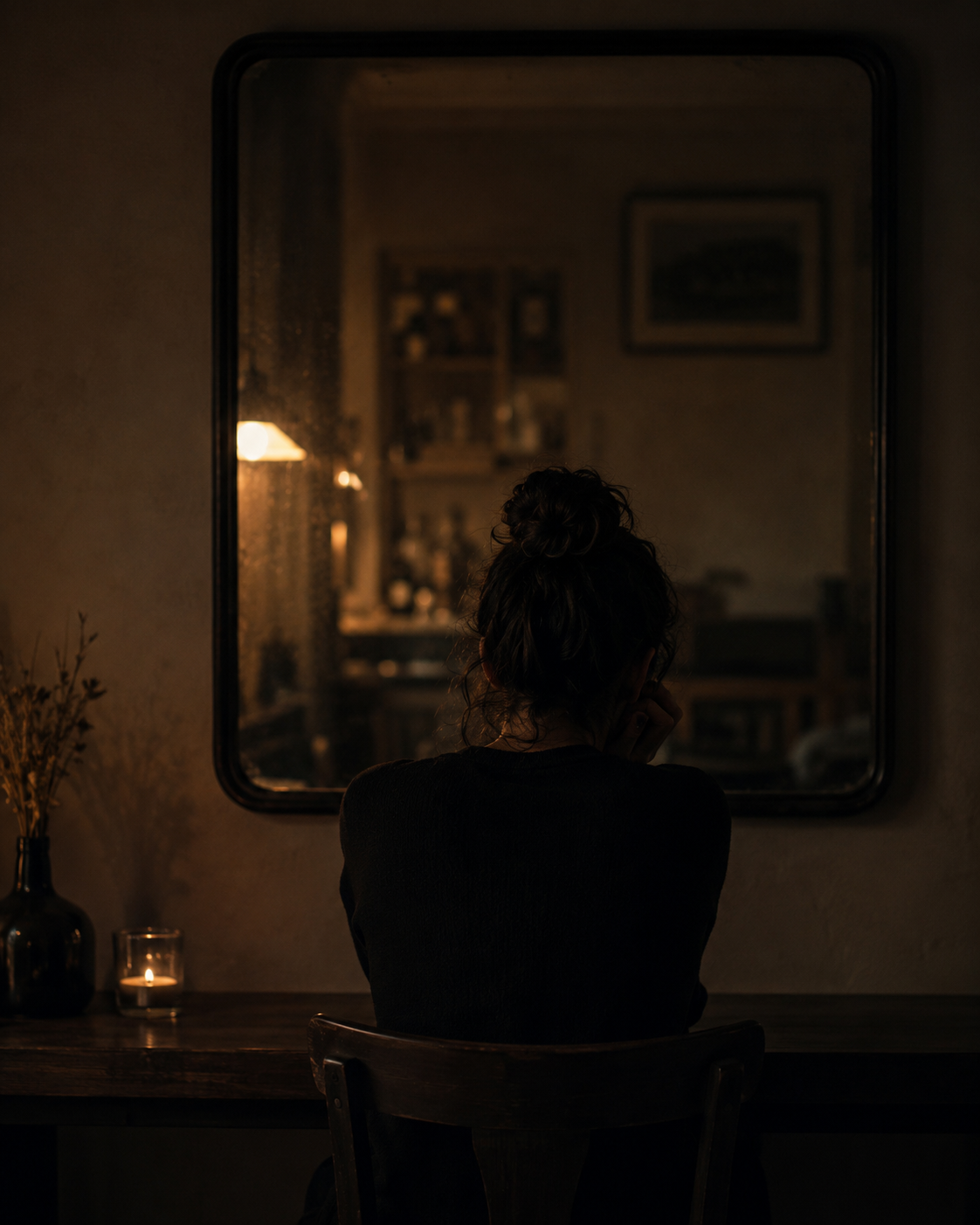
Some stories aren’t told to deceive other people.
Some stories are told so we can survive ourselves.
“We’ll be okay.”
“Things will work out.”
“If I ignore it, it doesn’t exist.”
Sometimes survival sounds a lot like optimism.
And to be fair, sometimes optimism is the only thing keeping people alive.
But sometimes “finding the bright side” becomes emotional camouflage.
A way to soften reality before it crushes us.
And maybe that works for a while.
But survival stories have expiration dates.
Because survival stories are time stamped.
A way to borrow time.
And eventually, reality comes back asking for the truth.
Growing up, I learned pretty early that consequences don’t disappear just because you don’t want to face them.
Eventually, you still have to deal with whatever comes next.
But knowing that doesn’t always stop people from creating survival stories anyway.
Because sometimes living in the moment where everything still feels okay is comforting.
Even when part of you already knows it won’t last.
I’ve done that before.
Told myself things would work out somehow.
Tried to soften the truth before it fully arrived.
And for a little while, those stories help.
Until reality finally shows up.
And suddenly the story you told yourself is exposed for what it always was—
just a story.
That’s when survival mode really begins.
Not during the pretending.
During the fallout.
During the part where everything finally falls apart and you’re forced to deal with what’s left.
And after that, all you can do is pick up the pieces and figure out what still survives the truth.
I think people need to stop pretending.
Not because truth is easy—but because avoidance has a cost.
And honestly, I understand why people do it.
It’s extremely hard to choose to deal with something you don’t want to face.
Sometimes pretending feels softer.
Safer.
More manageable than reality.
But survival mode only shows up when something has already gone too far.
It’s the final straw.
The aftermath.
The part where there are no more comfortable stories left to tell.
And maybe that’s the real danger of survival stories.
Not that they exist.
But that sometimes we stay inside them so long that we mistake them for solutions.
Imagine what life looks like when problems are handled in their beginning instead of their ending.
When honesty happens before collapse.
When accountability happens before damage.
When healing starts before survival mode is even necessary.
Maybe that’s the difference between surviving something…
and actually living through it truthfully.
Maybe survival begins with the stories we tell ourselves.
But healing begins the moment we stop hiding inside them.